Photography.

An editorial and human view of Emerging Markets.

Photography.

An editorial and human view of Emerging Markets.

Photography makes 30N’s point of view tangible.

Photography

Through real people, places and working contexts across Emerging Markets, imagery connects the firms investment perspective to the territories, cultures and companies shaping growth.

The system combines an editorial eye with documentary honesty: human in portraits, contextual in landscapes and disciplined in every composition.

Through real people, places and working contexts across Emerging Markets, imagery connects the firms investment perspective to the territories, cultures and companies shaping growth.

The system combines an editorial eye with documentary honesty: human in portraits, contextual in landscapes and disciplined in every composition.

Photography makes 30N’s point of view tangible.

Through real people, places and working contexts across Emerging Markets, imagery connects the firms investment perspective to the territories, cultures and companies shaping growth.

The system combines an editorial eye with documentary honesty: human in portraits, contextual in landscapes and disciplined in every composition.

{ PHOTO // INDEX }

Photo index.

Photo index.

Photo index.

(4)

(4)

{ Photo // Principles }

Principles.

Principles.

Principles.

30N photography combines an editorial, human and documentary perspective to show Emerging Markets through what makes them valuable: their people, cities, landscapes and contexts. Portraits favor natural light, simple framing and real environments to convey proximity, trust and character, avoiding an artificial corporate aesthetic. Environmental imagery expands the narrative through contrast, texture and a cinematic sensibility that communicates diversity, energy and potential. These principles guide the creation and selection of visual assets, ensuring every image expresses authenticity, conviction and an optimistic view of the markets where 30N invests.

Logo Image

TERRITORY IN CONTEXT

Use wide, elevated compositions to show how a market is shaped by geography, infrastructure and human activity. The image should give the viewer a sense of scale without becoming a generic destination photograph. Natural forms and urban development must feel part of the same evolving territory.

GROWTH HAS A PLACE

Look for layered scenes where landscape, architecture and daily movement coexist. Depth should reveal the relationship between heritage and progress, showing that innovation grows from a specific culture and environment rather than from an abstract idea of Emerging Markets.

PROGRESS IN THE LANDSCAPE

Frame modern infrastructure against the natural forms that define its location. Controlled light, strong vertical structure and generous negative space create a confident image of progress while keeping the surrounding territory visible and meaningful.

{ Photo // TEXTURE }

Texture.

Texture.

Texture.

A fine sand-grain texture gives city and landscape photography a tactile, editorial finish. Apply it subtly and consistently — enough to soften digital perfection without obscuring detail or changing the original palette. This texture is reserved for urban and natural environments. Never apply it to company imagery, team or founder portraits, or editorial posts.

{ Photo // Portraits }

Portraits.

Portraits.

Portraits.

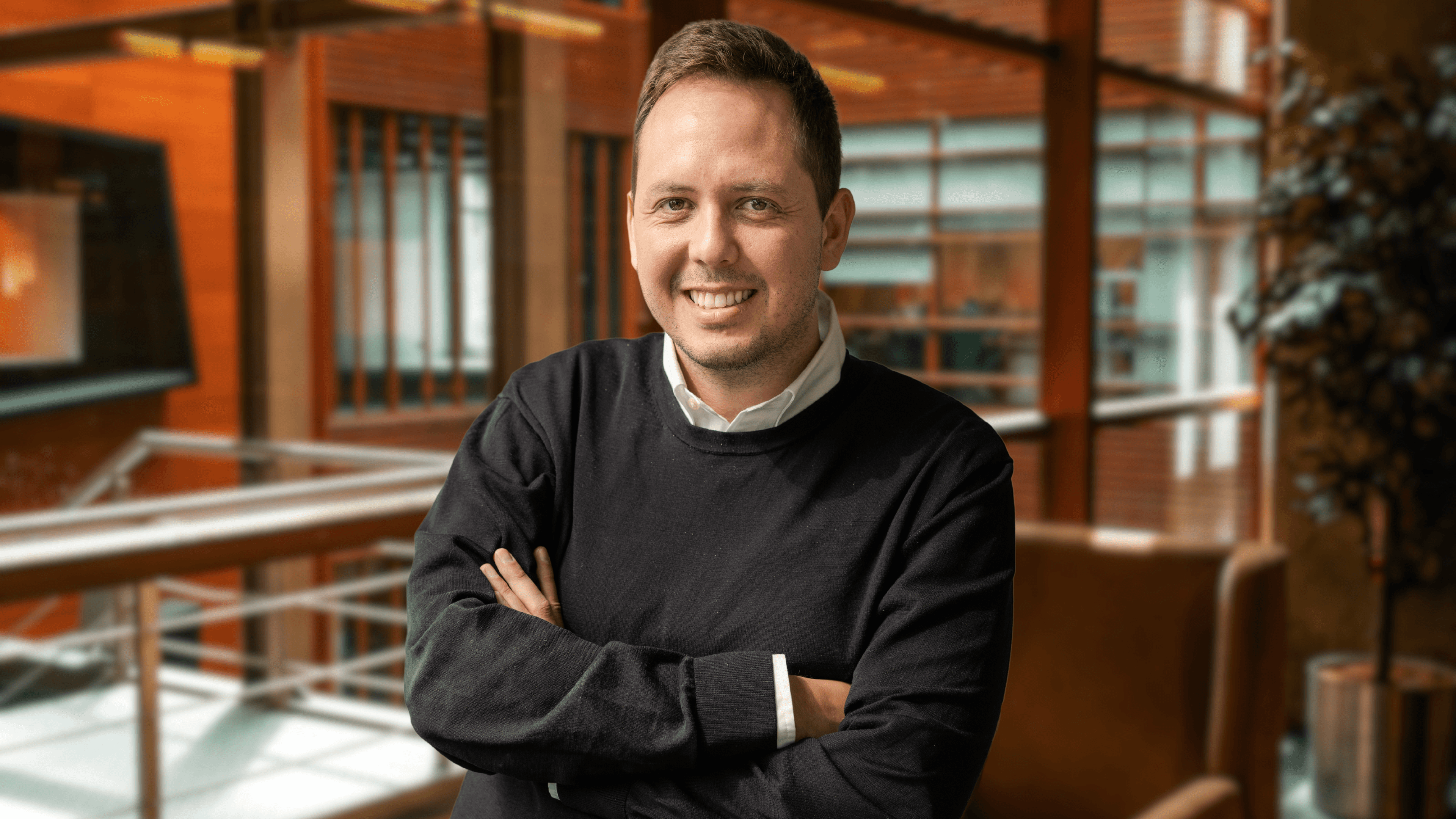
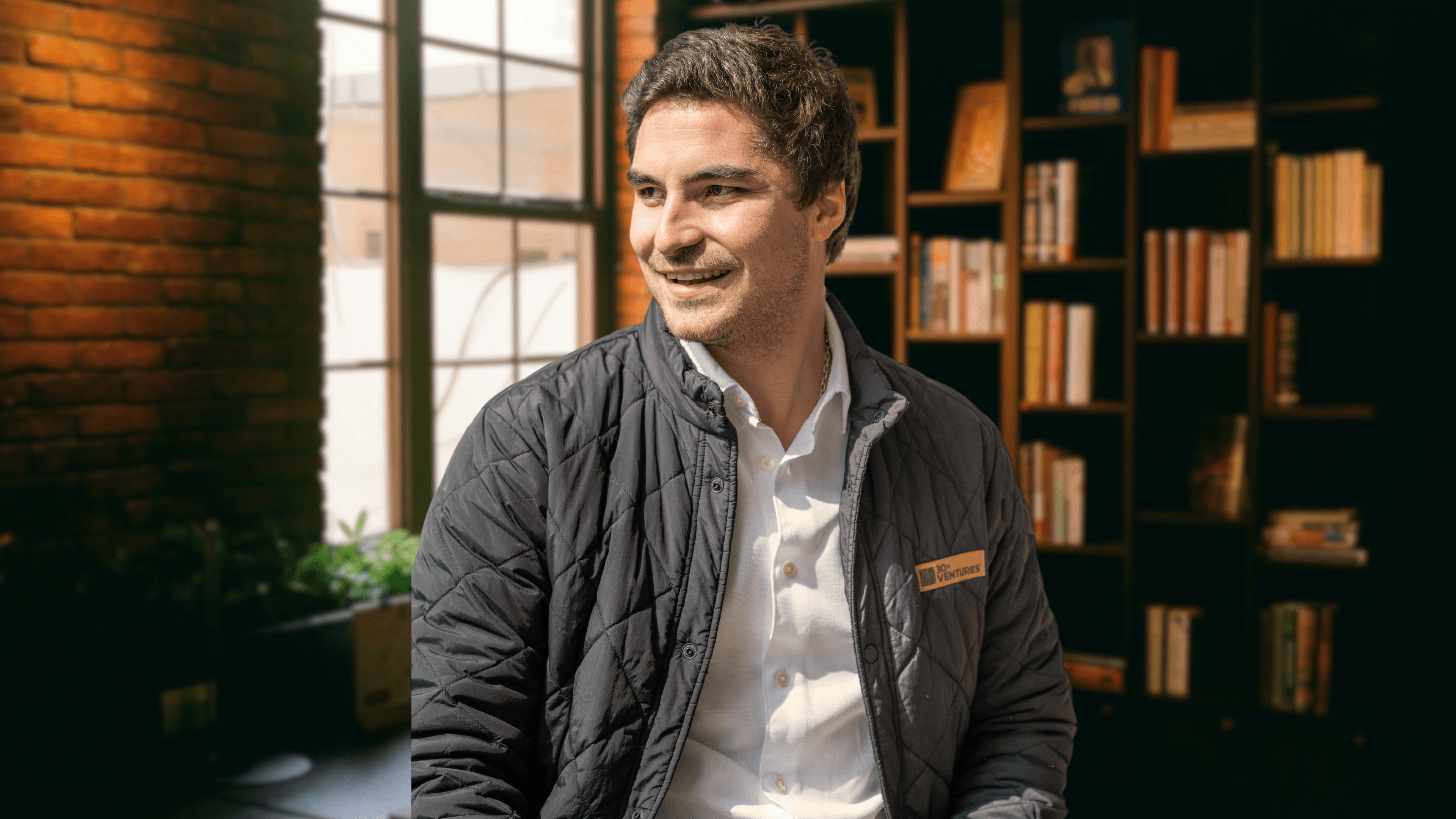
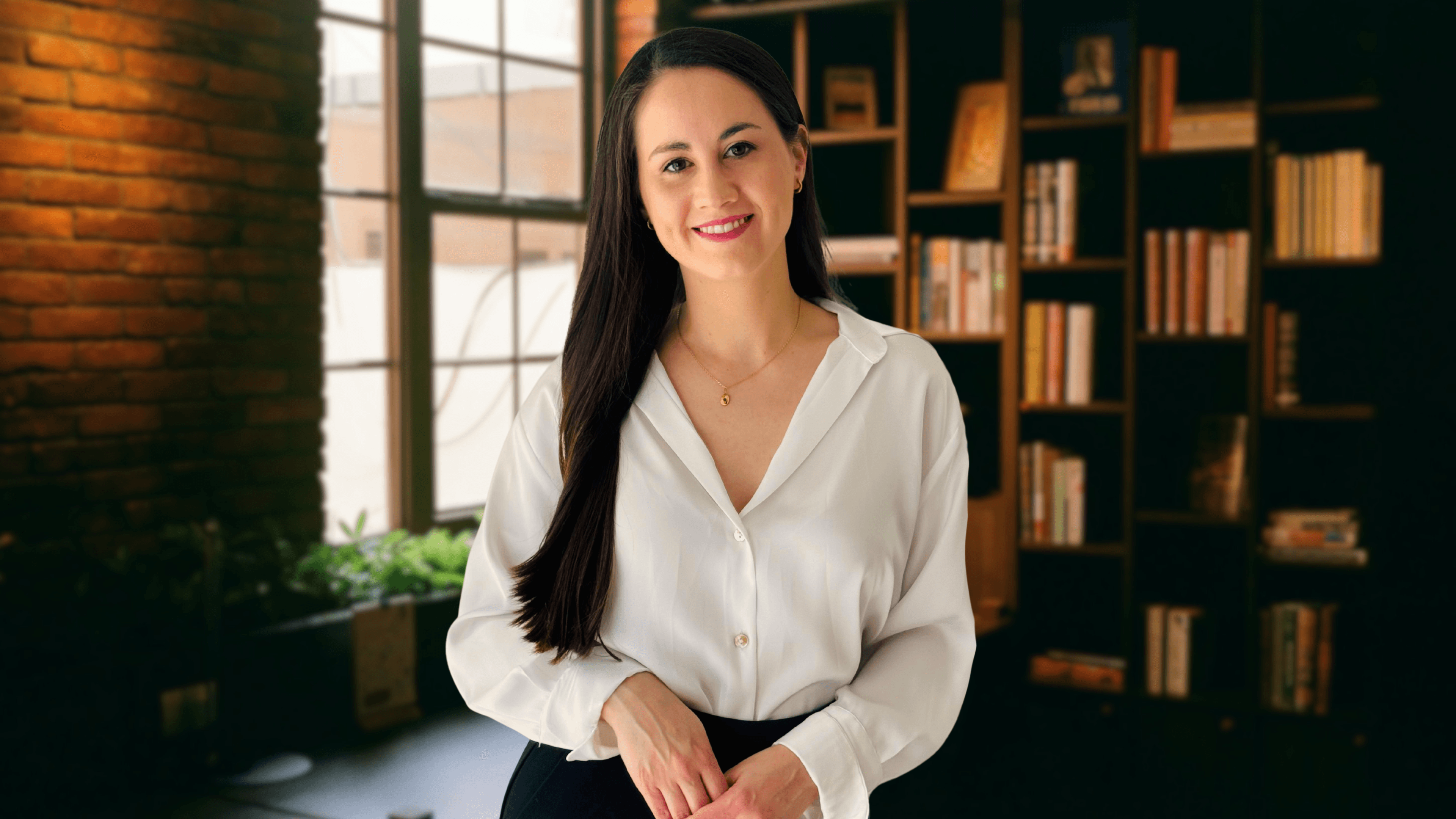
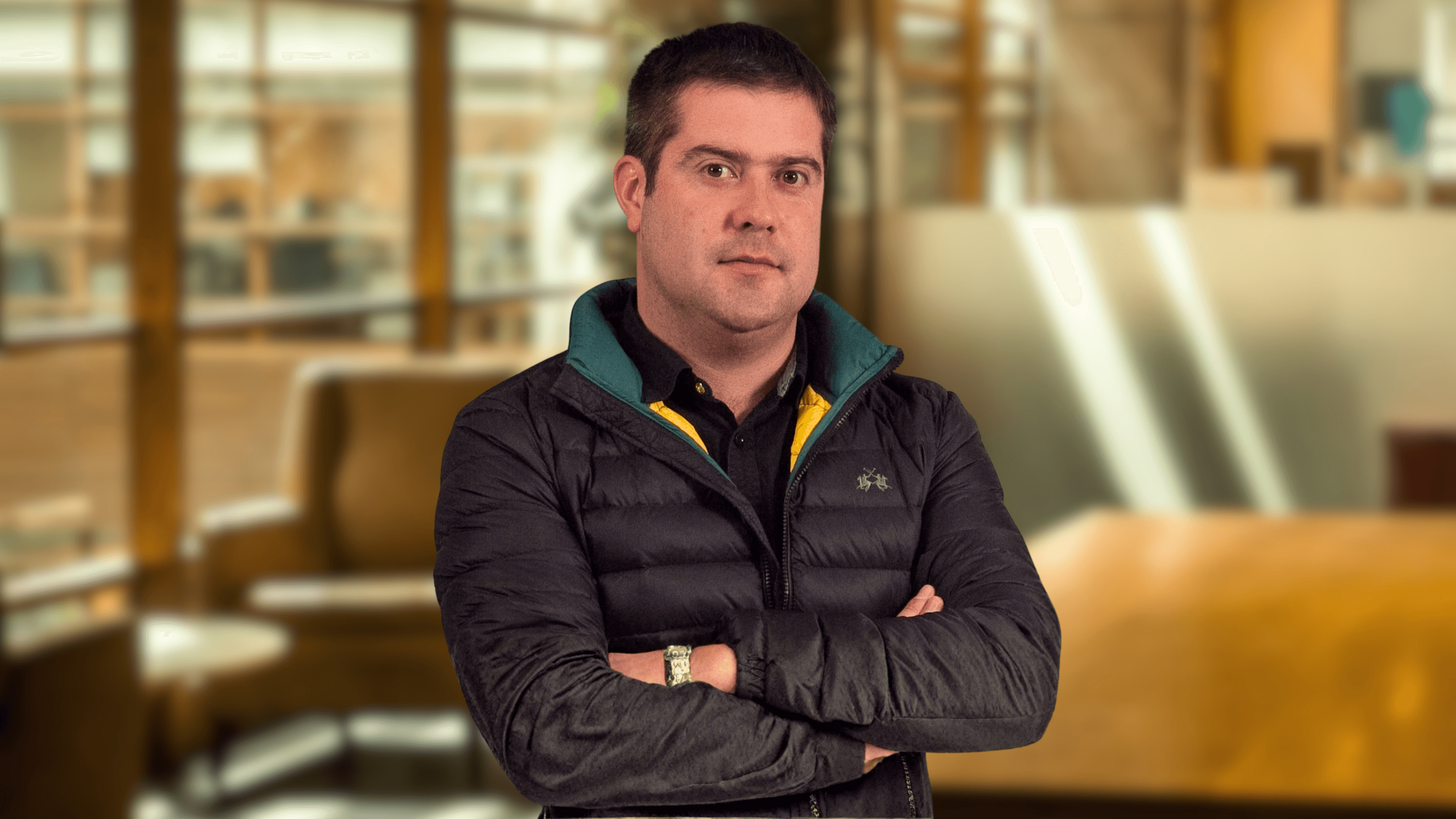
Portraits should feel human, focused and self-assured. Use close or medium crops, a clear profile, expressive but natural posture, and directional light or color. Preserve identity, recognizable skin tones and personal character. Portraits must never receive the brand’s grain texture.


Portrait of Paula Giraldo
Portrait of Tomas Denecken
Portrait of Salvador Said
Portrait of Daniel Kranzler
Portrait of Renato Picard
Portrait of Curro Jimenez de Echeverria
Portrait of Matias Alcalde
Portrait of Carla de Kartzow
Portrait of Pedro Arnt
Portrait of Roberta Valenca
Portrait of Axel Christensen
Portrait of Jacobo Cohen
Portrait of Marcos Kantt
Portrait of Nicolas de Camino
Portrait of Edmundo Casas

{ Photo // MOTION }

Motion.

Motion.

Motion.

Company profile motion turns a still founder portrait into a restrained four-second introduction. Animate only subtle pre-photo gestures — breathing, blinking and minute posture adjustments — while keeping identity, logos, objects, framing and color fixed. The sequence must settle into the original photograph as its final frame. Use this treatment only for company profiles; never for 30N team portraits or Principles imagery.

PROMPT
Create a 4-second photorealistic image-to-video clip using the provided image as the exact final frame. The video should recreate the few subtle seconds immediately before the photo was taken. The two men are already standing in position on the rooftop, and the motion should show them gently settling into the pose seen in the image. Motion direction • Start with both men in almost the same position as in the final image, but not fully still yet. • Add very subtle, natural pre-photo movements only: slight posture adjustments, minimal weight shifts, gentle shoulder settling, tiny head alignment changes, natural blinking, and soft breathing. • The man on the left can make a very small stance adjustment and subtly settle his hands in his pockets while arriving at his final expression. • The man on the right can make a slight torso or shoulder adjustment, a minimal head correction, and gently settle into his final posture with his hands in his pockets. • Their facial expressions should evolve only slightly and naturally until they arrive at the exact expressions shown in the photograph. • In the last 0.5–1 second, all motion should fade out smoothly until both subjects are perfectly still in the exact pose of the source image, as if the shutter is about to be pressed. Critical identity preservation It is essential to preserve both subjects’ exact identity and facial structure throughout the entire clip. Do not alter their physiognomy, face shape, hairstyle, beard, skin tone, body proportions, clothing, or any defining feature. Their faces must remain highly consistent frame to frame, with no identity drift, no beautification, no stylization, and no facial reinterpretation. Scene preservation Keep the rooftop, concrete ledge, cables, buildings, mountain landscape, cloudy sky, lighting, perspective, and framing unchanged. The camera must remain completely locked off. No camera motion of any kind: • no pan • no tilt • no zoom • no dolly • no handheld motion • no reframing The background should remain stable and realistic, with no major motion added to the environment. Movement style The clip should feel like a real, candid moment just before a posed photograph: calm, restrained, believable, and subtle. The motion must be visible enough that the image feels alive, but still delicate and controlled. Avoid • No sudden or strong movements • No walking • No large gestures • No dramatic changes in expression • No talking or lip-sync • No exaggerated blinking • No hair or clothing behaving unrealistically • No body deformation • No face morphing • No identity drift • No scene changes • No added objects or people • No background animation that distracts from realism Final frame requirement The last frame must match the provided image as closely as possible, including: • pose • facial expression • identity • clothing • composition • lighting • background • overall realism

PROMPT

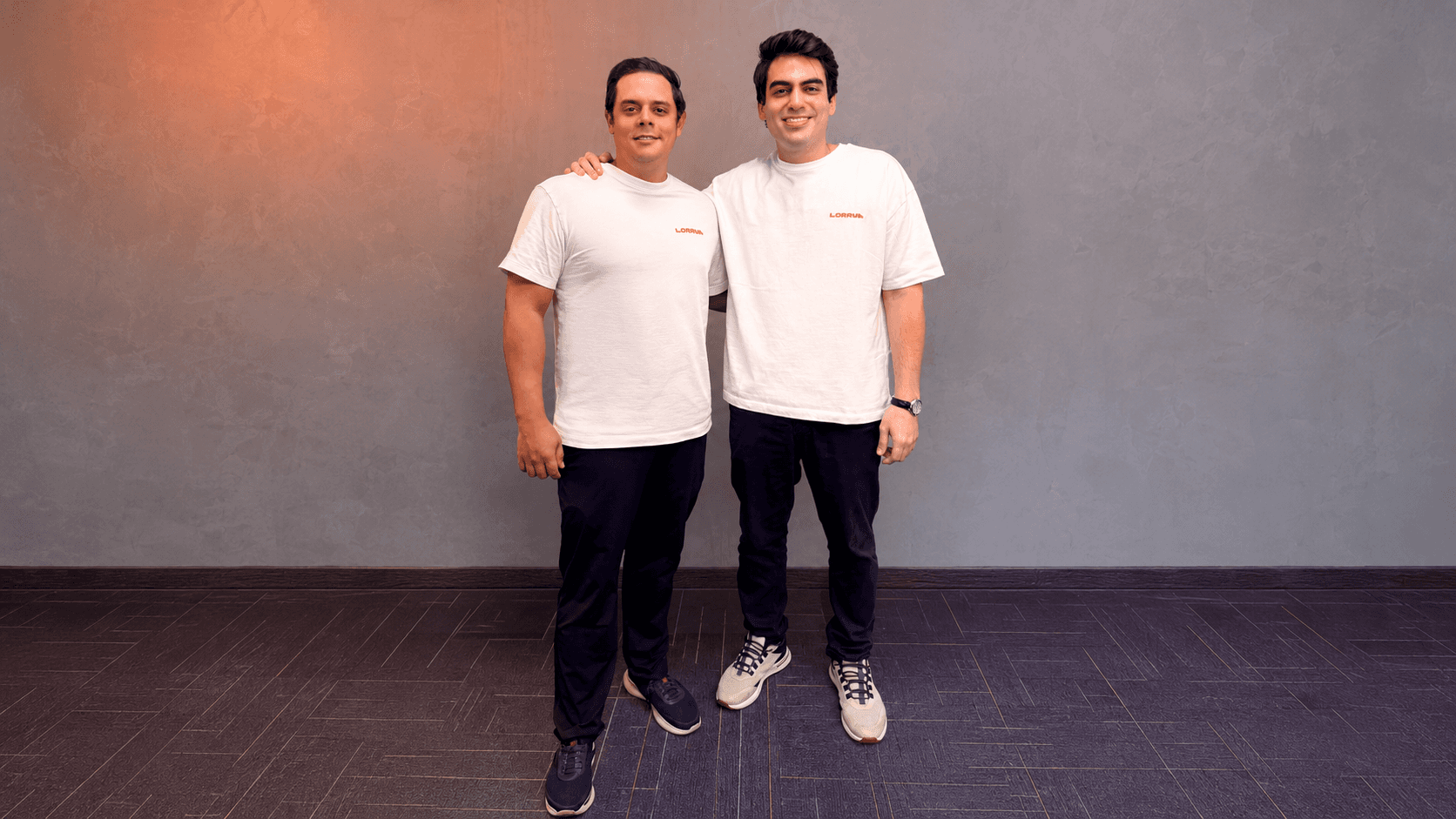
Create a 4-second photorealistic image-to-video clip using the provided image as the exact final frame. The video should recreate the few natural seconds immediately before the photograph was taken. The image shows two men already standing very close to their final pose, and the motion should consist only of small, believable adjustments as they settle into the exact position and expression seen in the reference image. Motion direction • Start with both subjects already almost in the final pose. • Add only subtle natural movement: gentle breathing, tiny weight shifts, slight shoulder relaxation, minimal head movement, natural blinking, and small posture corrections. • The man on the left may make a slight weight shift, a tiny shoulder adjustment, and a minimal relaxation of the arm hanging by his side before settling into the final expression. • The man on the right may make a very small posture correction, subtly settle his shoulders, slightly adjust his head angle, and gently settle the arm resting on the other man’s shoulder. • Their expressions should change only very slightly, naturally arriving at the exact smiles and relaxed expressions visible in the source image. • Keep both subjects generally looking toward the camera throughout. • During the final 0.5–1 second, progressively reduce all movement until both men become completely still in the exact final pose, as if the photographer is about to press the shutter. Critical identity preservation Preserving the exact identity and physiognomy of both men is the highest priority. Their faces must remain extremely consistent throughout every frame. Preserve exactly: • face shape and proportions • eyes and eyebrows • nose • mouth, lips, and smile geometry • jawline • hairstyle and hairline • skin tone and texture • body proportions • clothing • watch and accessories Do not beautify, reshape, stylize, age, de-age, or reinterpret either person. Absolutely avoid: • facial morphing • identity drift • changing facial proportions • altered eye shape • changing teeth or smile geometry • inconsistent expressions • frame-to-frame face regeneration Pose preservation Both subjects must remain standing in approximately the same location throughout the clip. • The man on the right should keep his arm resting on the other man’s shoulder throughout the sequence. • The man on the left should keep his arms close to their final positions. • Only allow tiny adjustments in: • shoulders • elbows • torso • head orientation • leg balance No walking, stepping, or large body movements. Clothing and logo preservation Preserve exactly: • white t-shirts • dark pants • shoes • watch • small orange chest logos on both shirts • all visible clothing folds and proportions Do not distort, blur, replace, or regenerate the shirt logos incorrectly. Environment preservation Keep the indoor setting, gray textured wall, floor pattern, lighting, shadows, perspective, and composition unchanged. The background should remain essentially static. Color palette preservation (critical): The original color palette of the reference image must be strictly preserved at all times. Do not alter, reinterpret, enhance, or shift any tones, hues, saturation levels, or white balance. All colors—including skin tones, shirt whites, floor tones, wall tones, shadows, and background elements—must remain consistent with the original photograph. Avoid any cinematic grading, stylization, warm/cool shifts, or contrast changes that deviate from the source image. The final video must maintain exact color fidelity so that every frame matches the original photographic palette. Camera behavior The camera must remain 100% locked off: • no zoom • no pan • no tilt • no dolly • no orbit • no handheld shake • no reframing • no artificial parallax • no perspective changes • no depth-of-field changes Maintain the exact horizontal composition and framing of the reference photograph. Movement style The result should feel like a real professional portrait captured a few seconds before the photographer takes the picture. The movement should be: subtle → natural → perceptible → controlled → progressively still. Think: tiny weight shift → slight shoulder adjustment → natural blink → expressions settle → complete stillness → photograph. Avoid • No sudden movements • No large gestures • No walking • No arm leaving the shoulder abruptly • No talking or lip-sync • No exaggerated blinking • No dramatic facial expression changes • No face morphing • No identity drift • No body deformation • No clothing changes • No logo distortion • No background changes • No added people or objects • No camera movement • No color or tone shifts Final frame requirement The last frame of the 4-second sequence must match the provided reference image as precisely as possible, especially: • facial identities • facial expressions • gaze • head orientation • posture • arm placement • clothing • logo placement • lighting • wall and floor background • framing • exact color palette and tonal balance The sequence should feel as though we are simply watching the few seconds immediately before this exact photograph was captured.

PROMPT

Create a 4-second photorealistic image-to-video clip using the provided image as the exact final frame. The video should recreate the few natural seconds immediately before the photograph was taken. The image shows one woman already seated at the desk, very close to her final pose, and the motion should consist only of small, believable adjustments as she settles into the exact position and expression seen in the reference image. Motion direction • Start with the subject already almost in the final pose. • Add only subtle natural movement: gentle breathing, a tiny posture correction, slight shoulder relaxation, minimal head movement, natural blinking, and a small settling of her expression. • Her gaze should remain generally toward the camera throughout the sequence. • The hand holding the pencil may make a very small, controlled adjustment, such as a slight finger repositioning or a tiny change in pencil angle, before returning to the exact final pose. • The other hand and forearm resting on the desk should remain almost still, with only a minimal natural shift. • Her upper body may make a very small settling movement, as if she is getting comfortable just before the shutter is pressed. • Her smile may begin slightly softer and gently settle into the exact smile visible in the reference photograph. • Hair movement should be extremely minimal, caused only by her subtle body motion. There should be no wind effect. • During the final 0.5–1 second, all motion should progressively fade out until she becomes completely still in the exact pose shown in the image. Critical identity preservation Preserving the exact identity and physiognomy of the woman is the highest priority. Her face must remain extremely consistent throughout every frame. Preserve exactly: • face shape and proportions • eyes and eyebrows • nose • mouth, lips, and smile geometry • teeth • jawline and cheeks • skin tone and texture • hairstyle and hairline • ears and earrings • body proportions • hands and fingers Do not beautify, reshape, stylize, age, de-age, or reinterpret her face or body in any way. Absolutely avoid: • facial morphing • identity drift • changing facial proportions • altered eye shape • changing teeth • inconsistent smile shape • frame-to-frame face regeneration Pose and hand preservation She must remain seated in approximately the same position throughout the clip. Only allow tiny adjustments in: • shoulders • elbows • wrists • fingers • torso • head orientation The pencil should remain in her hand throughout, and her seated pose must stay stable. No large gestures, no pointing motion beyond a minimal micro-adjustment, and no major repositioning. Clothing and accessory preservation Preserve exactly: • white sleeveless top • earrings • rings • bracelet • necklace • all visible clothing folds and proportions Do not change or regenerate clothing details or accessories. Desk and object preservation Keep the desk, laptop, book, pencil holder, pencils, plant, and all visible objects unchanged. Preserve exactly: • laptop position and angle • book placement • pencil orientation • desk surface • relative position and scale of all objects Do not animate or shift the laptop, book, desk items, or background furniture beyond imperceptible realism. Environment preservation Keep the bright office setting, large windows, city background, plants, shelf, lighting, shadows, depth of field, and perspective unchanged. The background should remain essentially static. Only extremely subtle natural atmospheric realism is acceptable. Color palette preservation (critical): The original color palette of the reference image must be strictly preserved at all times. Do not alter, reinterpret, enhance, or shift any tones, hues, saturation levels, or white balance. All colors—including skin tones, clothing, desk, plants, laptop, and background elements—must remain consistent with the original photograph. Avoid any cinematic grading, stylization, warm/cool shifts, or contrast changes that deviate from the source image. The final video must maintain exact color fidelity so that every frame matches the original photographic palette. Camera behavior The camera must remain 100% locked off: • no zoom • no pan • no tilt • no dolly • no orbit • no handheld shake • no reframing • no artificial parallax • no perspective changes • no depth-of-field changes Maintain the exact horizontal composition and framing of the reference photograph. Movement style The result should feel like a real professional portrait captured a few seconds before the photographer takes the picture. The movement should be: subtle → natural → perceptible → controlled → progressively still. Think: tiny posture adjustment → slight pencil movement → natural blink → smile settles → complete stillness → photograph. Avoid • No sudden movements • No large gestures • No standing up or shifting position significantly • No talking or lip-sync • No exaggerated blinking • No dramatic facial expression changes • No face morphing • No identity drift • No hand deformation • No body deformation • No clothing changes • No object movement • No background changes • No added people or objects • No camera movement • No color or tone shifts Final frame requirement The last frame of the 4-second sequence must match the provided reference image as precisely as possible, especially: • facial identity • facial expression • gaze • head orientation • posture • hand and pencil position • clothing • desk setup • laptop and book placement • office background • lighting • depth of field • framing • exact color palette and tonal balance The sequence should feel as though we are simply watching the few seconds immediately before this exact photograph was captured.

PROMPT

Create a 4-second photorealistic image-to-video sequence using the provided image as the exact final frame. The video should recreate the few natural seconds immediately before the photograph was taken. Both men are already standing beside the car and make only small, realistic adjustments as they settle into their final pose. Motion direction • Begin with both men positioned very close to their final placement. • Introduce subtle natural body movement only: slight weight shifts, tiny shoulder adjustments, gentle arm and hand repositioning, minimal head movement, natural blinking, and subtle breathing. • The man on the left can make a very small adjustment of his hands near his pockets and settle his stance. • The man on the right can subtly straighten his posture, slightly adjust his shoulders or head position, and naturally settle his hands. • Their facial expressions should transition very gently toward the exact smiles and expressions visible in the reference photograph. • During the final 0.5–1 second, movement should progressively decrease until both subjects become perfectly still in the exact pose shown in the source image, as if the photographer is about to press the shutter. Critical identity preservation Preserve both men's identities, facial anatomy, body proportions, hairstyle, skin tone, glasses, clothing, and all distinctive physical characteristics exactly as shown in the source image. Their faces must remain extremely consistent with the original photograph throughout every frame. Do not reinterpret, beautify, stylize, age, de-age, reshape, or regenerate their facial features. Maintain the exact geometry of their eyes, nose, mouth, jawline, ears, hairline, beard, glasses, and overall facial proportions. Scene preservation Keep the car, branding, street, trees, buildings, parked vehicle, lighting, shadows, perspective, camera position, framing, and background completely unchanged. The camera must remain 100% locked-off, with no zoom, pan, tilt, dolly, reframing, lens change, or artificial depth movement. The car and every environmental element must remain static and geometrically stable. Movement style The movement should feel like a real candid moment captured just before a posed corporate photograph: calm, restrained, believable, subtle, and human. Avoid exaggerated gestures or obvious acting. The viewer should clearly perceive that the image has come alive, but the motion should remain minimal enough to preserve photographic realism. Avoid No sudden movements. No walking. No large arm gestures. No talking or lip-syncing. No exaggerated blinking. No facial morphing. No identity drift. No body deformation. No changing clothes. No changing expressions dramatically. No background animation. No camera movement. No object movement. No new objects or people. No changes to the car or its logos. Final frame requirement: the last frame of the 4-second video must match the provided reference image as closely as possible in pose, facial expression, composition, lighting, and identity.

PROMPT

Create a 4-second photorealistic image-to-video clip using the provided image as the exact final frame. The video should recreate the few subtle seconds immediately before the photograph was taken. The three people are already arranged in the studio composition, and the motion should show them gently settling into the final pose seen in the image. Motion direction • Start with all three subjects in nearly the same positions as the final image, but not completely still yet. • Show very subtle, natural pre-photo movement only: slight posture corrections, tiny weight shifts, soft shoulder settling, minimal head alignment changes, natural blinking, and gentle breathing. • The person on the left may make a slight wrist or forearm adjustment while holding the product box, a minimal shoulder relaxation, and a small head alignment into the final pose. • The person in the center, seated on the chair, may make a very subtle torso adjustment, a small repositioning of the hands around the product box, and a slight settling of the gaze into the final expression. • The person on the right may make a gentle posture correction, a minimal shoulder or elbow adjustment while holding the product box, and a subtle settling of the crossed-leg stance. • Facial expressions should shift only slightly and naturally until they reach the exact expressions shown in the reference photo. • During the final 0.5–1 second, all movement should smoothly fade out until the three subjects are perfectly still in the exact final pose. Critical identity preservation It is essential that the identity and facial anatomy of all three people remain unchanged throughout the clip. Preserve their exact: • facial structure • hairstyle • skin tone • body proportions • clothing • accessories • pose character • hand placement logic Do not alter or reinterpret their faces in any way. No beautification, stylization, face swapping, age changes, or identity drift. Their faces must remain highly consistent frame to frame so they are clearly the same people shown in the source image. Product and prop preservation Preserve the product boxes, chair, clothing, and all object placement exactly as shown. The product boxes should remain stable in the subjects’ hands, with only the slightest natural motion caused by their subtle settling into pose. Do not change the packaging, shape, size, or visibility of the products. Scene preservation Keep the studio setup, plain light background, floor, shadows, lighting, framing, perspective, and composition unchanged. The camera must remain completely locked off. No camera movement of any kind: • no zoom • no pan • no tilt • no dolly • no handheld motion • no reframing The environment must stay stable and minimal, with no added movement or distractions. Movement style The motion should feel like a real studio portrait moment just before the shutter is pressed: controlled, quiet, realistic, and subtle. The image should come alive just enough to be noticeable, but without any strong or dramatic movement. Avoid • No sudden or strong motions • No exaggerated gestures • No walking or stepping • No major hand or arm movement • No talking or lip-sync • No dramatic facial expression changes • No stylization • No face morphing • No body deformation • No identity drift • No added people or objects • No scene changes • No changes to the product boxes or chair • No unrealistic motion in clothing or hair Final frame requirement The last frame must match the provided image as closely as possible, including: • pose • facial expression • identity • clothing • product placement • chair position • lighting • shadows • composition • overall realism

PROMPT

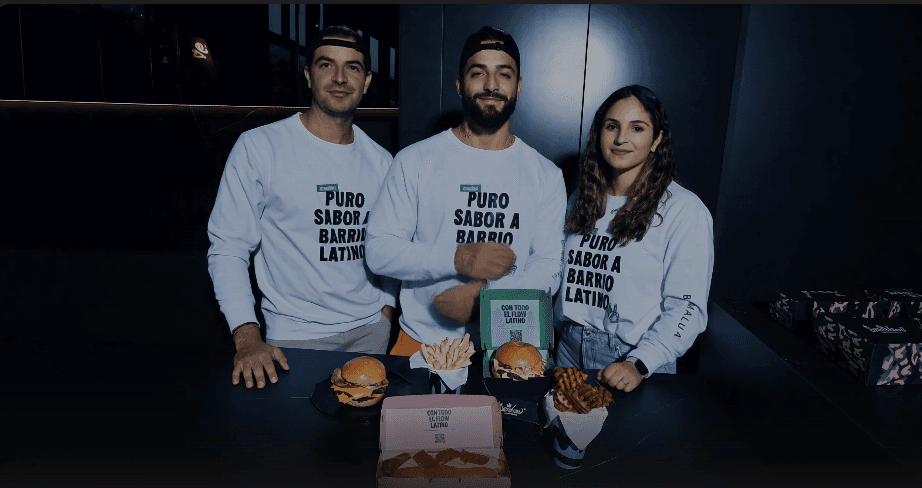
Create a 4-second photorealistic image-to-video clip using the provided image as the exact final frame. The video should recreate the few natural seconds immediately before the photograph was taken. The three people are already positioned behind the table and should make only small, believable adjustments as they settle into the exact final pose. Motion direction • Begin with all three subjects already very close to their final positions. • Use only subtle human movement: gentle breathing, tiny posture adjustments, slight weight shifts, natural blinking, minimal shoulder movement, and very small head corrections. • The person on the left can make a small adjustment of his torso and shoulders, subtly reposition the hand resting near the table, and gradually settle into his final smile. • The person in the center should keep his arms crossed throughout. Allow only a slight shoulder adjustment, minimal movement of the crossed arms, a small head correction, and a subtle transition into the exact facial expression shown in the reference. • The person on the right can make a tiny adjustment of the arm and hand resting on the table, subtly straighten her posture, make a minimal head movement, and naturally settle into her final smile. • All three should maintain their attention toward the camera throughout the clip. • During the final 0.5–1 second, progressively reduce all movement until the three subjects become completely still in the exact pose shown in the photograph, as if the photographer is about to press the shutter. Critical identity preservation Preserving the exact identity of all three people is the highest priority. Their facial anatomy must remain unchanged throughout the full sequence. Preserve exactly: • face shape and proportions • eyes, nose, mouth, jawline, and ears • skin tone • beard and facial hair • hairstyles • hats and accessories • body proportions • clothing • tattoos and distinctive details Do not beautify, stylize, reshape, age, de-age, or reinterpret any face. Avoid any frame-to-frame identity drift or facial morphing. Clothing and graphic preservation The white shirts, printed typography, logos, graphics, hats, watches, jewelry, and visible tattoos must remain visually consistent with the source image. Do not regenerate, replace, distort, scramble, or modify any printed text or branding on the clothing. Food and object preservation The table setup must remain almost completely static. Preserve exactly: • burgers • fries • waffle fries • product boxes • packaging • cups and containers • table surface • arrangement and relative scale of every object Do not animate the food or packaging. Do not alter the typography, logos, colors, shapes, or positioning of any branded packaging. Scene and camera preservation Keep the dark interior, wall panels, reflections, table, lighting, flash-like illumination, shadows, framing, perspective, and composition unchanged. The camera must remain 100% locked off: • no zoom • no pan • no tilt • no dolly • no handheld movement • no parallax effect • no reframing • no lens or perspective changes The background should remain completely stable. Movement style The result should feel like a real candid moment captured immediately before a posed brand photograph. Motion should be subtle but clearly perceptible — enough to bring the still image to life without turning it into an acted scene. Think: tiny movements → subjects naturally settle → final still pose → shutter moment. Avoid • No sudden movement • No large gestures • No walking • No talking or lip-sync • No exaggerated smiling • No exaggerated blinking • No significant arm movement • No changes to crossed-arm position • No face morphing • No identity drift • No distorted hands or fingers • No clothing deformation • No moving food • No changing product packaging • No altered logos or typography • No added people or objects • No environmental animation • No camera movement Final frame requirement The final frame of the 4-second sequence must reproduce the provided reference photograph as precisely as possible, particularly the subjects': • facial identity • expressions • gaze • pose • hand placement • body position • clothing • food and product arrangement • lighting • framing • background The sequence should feel as though we are simply seeing the three seconds before this exact photograph was captured.